
Supporting women with serious mental illness: Building health, autonomy, and meaningful lives
Women living with serious mental illness (SMI) often face not only psychiatric symptoms but also trauma, stigma, poverty, and structural barriers that shape recovery. Effective care therefore needs to address functioning, goals, safety, and social context, not only...
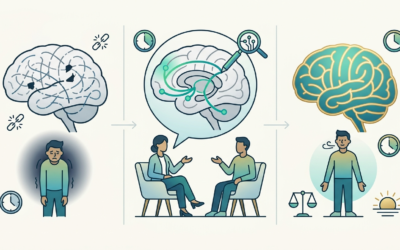
Psychotherapy, Neuroplasticity, and the Time Course of Therapeutic Change: Evidence from Clinical Neuroscience
Psychotherapy can be understood as a learning‑based intervention that, when delivered by an appropriate therapist, may enhance neuroplasticity and support positive therapeutic change. Contemporary research suggests that effective psychotherapy can alter the brain’s...
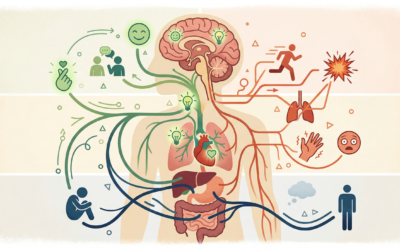
Polyvagal Theory: Neurophysiological Mechanisms of Safety and Social Behavior
Polyvagal theory is a neurophysiological framework developed by Stephen Porges to explain how the autonomic nervous system supports adaptation in relation to safety, threat, and social behavior (Porges, 2007, 2011). The theory argues that autonomic state is not simply...
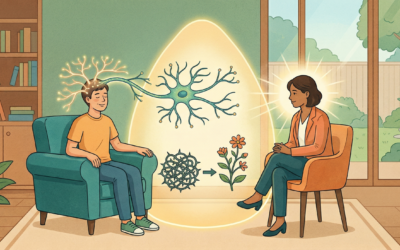
Psychotherapy as a Socially Safe Environment: Neuroplasticity, Trauma Reduction, and Therapeutic Change
Introduction Psychotherapy is a structured interpersonal intervention that may influence emotion regulation, cognition, and behavior through both psychological and neurobiological mechanisms. One relevant feature is that therapy provides a socially safe context in...

Using Acceptance and Commitment Therapy to Support People With Progressive Neurological Conditions
Introduction Progressive neurological conditions, encompassing a spectrum of neurodegenerative diseases, present one of the most profound challenges in modern healthcare. These conditions, including Alzheimer's disease, Parkinson's disease, multiple sclerosis (MS),...