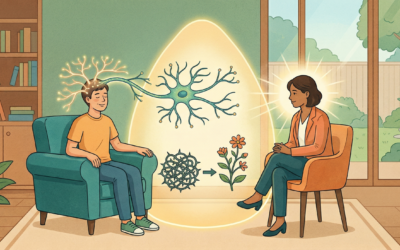
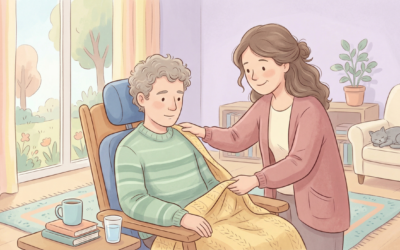
I integrate cognitive interventions and integrative psychotherapy, grounded in the neuroscience of learning, neuroplasticity, and maladaptive perseveration, to help reshape unhelpful patterns, support enduring adaptive change, and slow cognitive decline associated with natural aging, neurodegenerative conditions, and developmental disorders. I also specialise in mental health support within women's health psychology, providing counselling and psychotherapy for psychological challenges linked to reproductive conditions — from pregnancy and perinatal distress to menopause transitions, including mood/anxiety disorders, hormonal impacts, PCOS, infertility, migraines, cardiovascular risks, breast cancer survivorship, and obstetric complications. In both areas, I work with families and carers to build understanding, coping skills, and resilience amid emotional demands.
About me
Therapy for Cognitive and Emotional Recovery
Specialist in Cognitive and Women’s Health
Qualifications
I am a BPS-accredited psychologist, psychotherapist, and counsellor, supporting emotional and cognitive difficulties through a compassionate, evidence-based approach. I hold CPCAB- and NCPS-accredited qualifications and practice in line with recognised ethical standards.
Alongside my practice, I work as a researcher and lecturer, integrating clinical experience with academic insight, and have completed over 256 CPD certifications in psychology.
Specialisations
I specialise in cognitive development and ageing, including neurodegenerative and neurodevelopmental conditions, with a focus on supporting cognitive functioning, adaptation, and overall quality of life across the lifespan.
I also work in women’s health psychology, supporting issues such as PCOS, infertility, hormonal changes, migraines, and life transitions from pregnancy through to menopause, addressing both the psychological and cognitive impact of these experiences.
Approach
My work integrates cognitive interventions and neuroscience-informed, evidence-based psychotherapeutic approaches, helping clients reshape unhelpful patterns, strengthen adaptive strategies, identify underlying cognitive and emotional processes, build resilience, enhance emotional regulation, and achieve meaningful, sustainable improvements in daily functioning and relationships.

Individual Therapy
I offer psychotherapy for individuals, integrating cognitive interventions and integrative approaches grounded in neuroscience to reshape unhelpful patterns, support adaptive change, and address challenges such as cognitive decline and women’s mental health.

Couples Therapy
I provide psychotherapy for couples, helping partners understand relational patterns, navigate emotional and cognitive difficulties, and build resilience in the context of health, life transitions, and psychological stressors.

Group Therapy
I work with families and carers to strengthen understanding, communication, and coping skills, supporting resilience in the face of developmental, neurodegenerative, and women’s health–related challenges.





What happens during the free initial consultation?
The free initial consultation is a short assessment where you'll share your main concerns with me. You'll also learn about privacy, therapy modalities, and my approaches to ensure we're a good fit.
Click here to learn how to know if your therapist is a good fit for you.
What kinds of therapies are involved in your integrative approach?
Therapy is tailored to your individual needs, drawing from a mix of cognitive interventions and evidence-based talking therapies including person-centred approaches, CBT, DBT, and ACT, as well as psychoeducation.
What credentials do you have?
I am a BPS-accredited psychologist, psychotherapist, and counsellor, supporting emotional and cognitive difficulties through a compassionate, evidence-based approach. I hold CPCAB- and NCPS-accredited qualifications and practice in line with recognised ethical standards.
Alongside my practice, I am a researcher and lecturer, allowing me to integrate both practical experience and academic insight into my approach.
I specialise in cognitive development and ageing, including neurodegenerative and neurodevelopmental conditions. I also work in women’s health psychology, supporting issues such as PCOS, infertility, hormonal changes, migraines, and life transitions from pregnancy through to menopause.
My work integrates cognitive interventions and psychotherapy grounded in neuroscience, helping clients reshape unhelpful patterns and achieve lasting change.
I maintain strong professional credibility through active membership and ongoing engagement with leading psychological and research communities.
I have completed over 256 Continuing Professional Development (CPD) certifications in psychology.
All can be seen here
What is the modality of meetings?
Meetings are conducted via Zoom video or telephone. You can also text me for emergencies or urgent support between sessions.
What is your availability?
I adapt to your schedule when possible, offering 50-minute appointments from 7am to 10pm most days, subject to availability.
What if I need more time than a standard session?
Longer appointments are available on request, but I recommend scheduling an additional session the same week (two sessions at the same total cost as one longer session). There's a science-based benefit to multiple focused sessions for better progress and integration. Read more 🧠 here.
How do you approach clinical supervision to ensure your work remains ethical and effective?
I engage in regular supervision sessions with a qualified supervisor, creating a safe space to reflect on cases, ethical dilemmas, and practice effectiveness. This structured process supports maintaining high ethical standards and professional growth.
How do you handle it if I disagree with you or feel hurt by something you say?
I'll validate your feelings, apologise if appropriate, and openly explore what happened together. Repairing these relationship ruptures collaboratively is essential for effective therapy.
How do you ensure our work stays focused on my goals, rather than just what you think is important?
We collaboratively set clear goals at the start, regularly review progress together, and adapt based on your feedback. Therapy remains client-centred throughout.
Recent Cases
No Results Found
The page you requested could not be found. Try refining your search, or use the navigation above to locate the post.